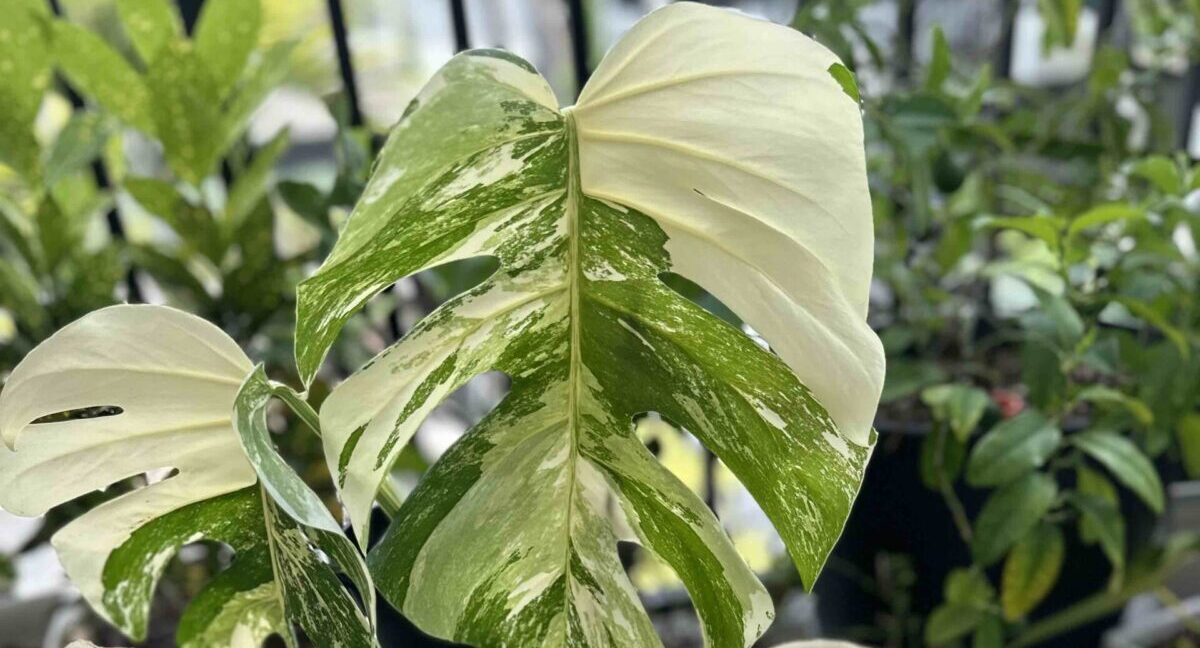
My mom got me into plants, and honestly, I had zero clue what I was doing at first. Ever since I can remember, we always had a house full of plants in all rooms. She was constantly giving them as gifts and exchanging cuttings with friends. However, I played a very little part in that space – only getting to water them whenever my parents were on vacation. I never paid much attention to them.
When I moved out and lived in different cities like New York and Tampa, she’d bring me these little green things, and I wasn’t exactly winning any plant parent awards, if you know what I mean. She’d always bring me new ones as if she knew that some of them might need to be replaced, but to her credit, she never made me feel bad about any of them not making it. Maybe I forgot to water them, or I didn’t put them in the right light.
“I Always Lose Plants”
I can’t tell you how many people have said to me, “Oh, I just ‘lose’ plants, that’s why I don’t have any.” There’s something intimidating about keeping a living thing alive when you’re not sure what you’re doing. But here’s the thing – I still lose plants sometimes. Even now, after a few years of this. Even the ones I thought I had totally figured out.
And that’s totally normal. It’s just part of learning. Part of life.
You Can Keep It Simple
One thing I love about this hobby is you can make it as easy or as complicated as you want. You could just get a pothos, stick it on a windowsill, water it when the soil feels dry, and call it a day. Or you can go full plant nerd and start researching soil pH and humidity levels and all that stuff.
Both ways are fine. Just start somewhere.
Every Plant is Different (Who Knew?)
Here’s where it gets interesting – every plant basically wants different things. That fiddle leaf fig that needs bright light but not direct sun? Completely different from your snake plant that’s happy in a dark corner and barely wants water. And don’t even get me started on succulents and cacti – people think they’re the same thing, but they’re really not.
I’m getting into succulents and cacti right now, and even within those groups, they all want different care. Fun fact though – all cacti are actually succulents, but not all succulents are cacti. It’s like how all squares are rectangles but not all rectangles are squares.
Don’t Be Afraid to Mess Up
Just like any hobby, you have to be okay with failing and know you’ll learn from your mistakes. Every brown leaf and overwatered plant teaches you something.
What I didn’t expect was how much I’d start looking forward to taking care of them. It used to feel like a chore, but now it’s something I actually enjoy. There’s something about the focus it requires – checking the soil, looking for new growth, moving them around for better light – that takes all my attention. Except for when I’m googling “best soil mix for succulents” or whatever, it gets me completely off my phone. (The irony of me typing this up for the internet isn’t lost on me, by the way.)
The Unexpected Benefits
It’s just peaceful. Plus, apparently plants do a lot more than just look nice. They actually purify the air, which NASA proved back in the 1980s when they studied how plants could clean air in space stations. Research has shown they help with stress management (one study found they can reduce stress levels by up to 37%), boost productivity, improve focus, and can even help you sleep better. Some studies suggest they reduce fatigue and help with healing. Whether all of that’s completely proven or not, I just know they make my space feel better and give me a sense of accomplishment when I see new growth.
And honestly? They just brighten up your home. There’s something about having living things around that makes a space feel more alive.
Give It a Try
If you’ve been thinking about getting a plant, maybe just start with something easy like a spider plant or snake plant. They’re pretty forgiving while you figure things out. (Just a heads up if you have pets – snake plants are toxic to cats and dogs, but spider plants are completely pet-safe and just as easy to care for!)
A Quick Note About Pets
If you have furry friends at home, it’s worth checking which plants are pet-safe before you buy. A lot of really popular houseplants can actually be toxic to cats and dogs if they decide to take a nibble.
Common Houseplants Toxic to Pets:
- Pothos (Golden Pothos/Devil’s Ivy)
- Snake Plant (Sansevieria/Mother-in-law’s Tongue)
- Peace Lily
- Fiddle Leaf Fig
- Monstera Deliciosa (“Swiss Cheese Plant”)
- Philodendrons
- ZZ Plant (Zamioculcas zamiifolia)
- Rubber Tree (Ficus elastica)
- Jade Plant
- Aloe Vera
- Dracaena (Corn Plant)
- Chinese Evergreen
- English Ivy
- All true Lilies (especially dangerous for cats)
- Sago Palm
- Cyclamen
- Amaryllis
- Dieffenbachia (Dumb Cane)
- Caladium
- Elephant’s Ear
Easy-Care Pet-Safe Alternatives:
The good news is there are tons of beautiful, easy-care plants that are completely safe for pets:
- Spider Plant – Perfect trailing plant, produces baby plants, loves to be a bit neglected
- Boston Fern – Classic hanging fern, likes humidity and indirect light
- Parlor Palm – Elegant mini palm, tolerates low light beautifully
- Christmas Cactus – Blooms during holidays, very low maintenance
- African Violet – Pretty purple blooms, compact size, easy to propagate
- Prayer Plant (Calathea) – Gorgeous patterned leaves that move with the light
- Ponytail Palm – Quirky trunk stores water, perfect for forgetful waterers
- Air Plants – No soil needed, just mist occasionally
- Peperomia varieties – Thick, waxy leaves, very forgiving
- Orchids (Phalaenopsis) – Easier than you think, long-lasting blooms
- Cast Iron Plant – Nearly indestructible, tolerates neglect and low light
- Baby’s Tears – Fast-growing ground cover, great for terrariums
- Some herbs – Basil, thyme, rosemary, and sage are all pet-safe and useful!
Remember, everyone who’s good with plants now used to lose them too. The difference isn’t some magical green thumb – it’s just sticking with it and paying attention to what each plant is trying to tell you.
Your plant journey starts with one plant and being willing to learn as you go. The rest just happens naturally.
More Than Just a Hobby
After my mom got sick, we ended up becoming closer, and talking plants became a way for us to bond and a great distraction. The hobby ended up growing on me, and I started deep diving into horticulture. Unfortunately, my mom is no longer with us, but I continue with the hobby, and it’s a great way for me to take time and think of her.
So what do you think? Any of you plant people out there with stories to share? Or maybe you’re thinking about starting? I’d love to hear about it.